When organizations invest in a Human Resources Information System (HRIS), one of the first
decisions they face is choosing between a cloud-based system and an on-premise system. Both
options help manage HR operations such as employee records, payroll, and reporting, but they
differ in how they are hosted, maintained, and accessed.
Understanding these differences helps businesses choose the right solution for their needs.
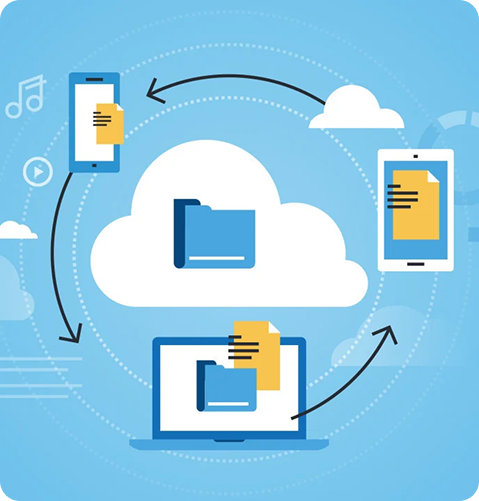
A cloud-based HRIS is hosted on external servers managed by a software provider and accessed
through the internet. Businesses typically subscribe to the platform and use it through a
web browser or mobile app.
Cloud HR systems are popular because they are flexible, scalable, and accessible from
anywhere.
Key Advantages of Cloud HRIS
Possible Limitations
An on-premise HRIS is installed and hosted on a company’s internal servers and infrastructure. The
organization’s IT team manages the system, including maintenance, updates, and data security.
This model gives companies full control over the system and its data.
Key Advantages of On-Premise HRIS
Possible Limitations
| Feature | Cloud-Based HRIS | On-Premise HRIS |
|---|---|---|
| Deployment | Faster implementation | Longer setup due to infrastructure |
| Cost Structure | Subscription-based | High upfront investment |
| Maintenance | Managed by vendor | Managed by internal IT team |
| Accessibility | Accessible anywhere | Usually limited to internal networks |
| Scalability | Easily scalable | Requires additional hardware |
As workplaces become more digital and distributed, many companies are moving toward cloud-based HR
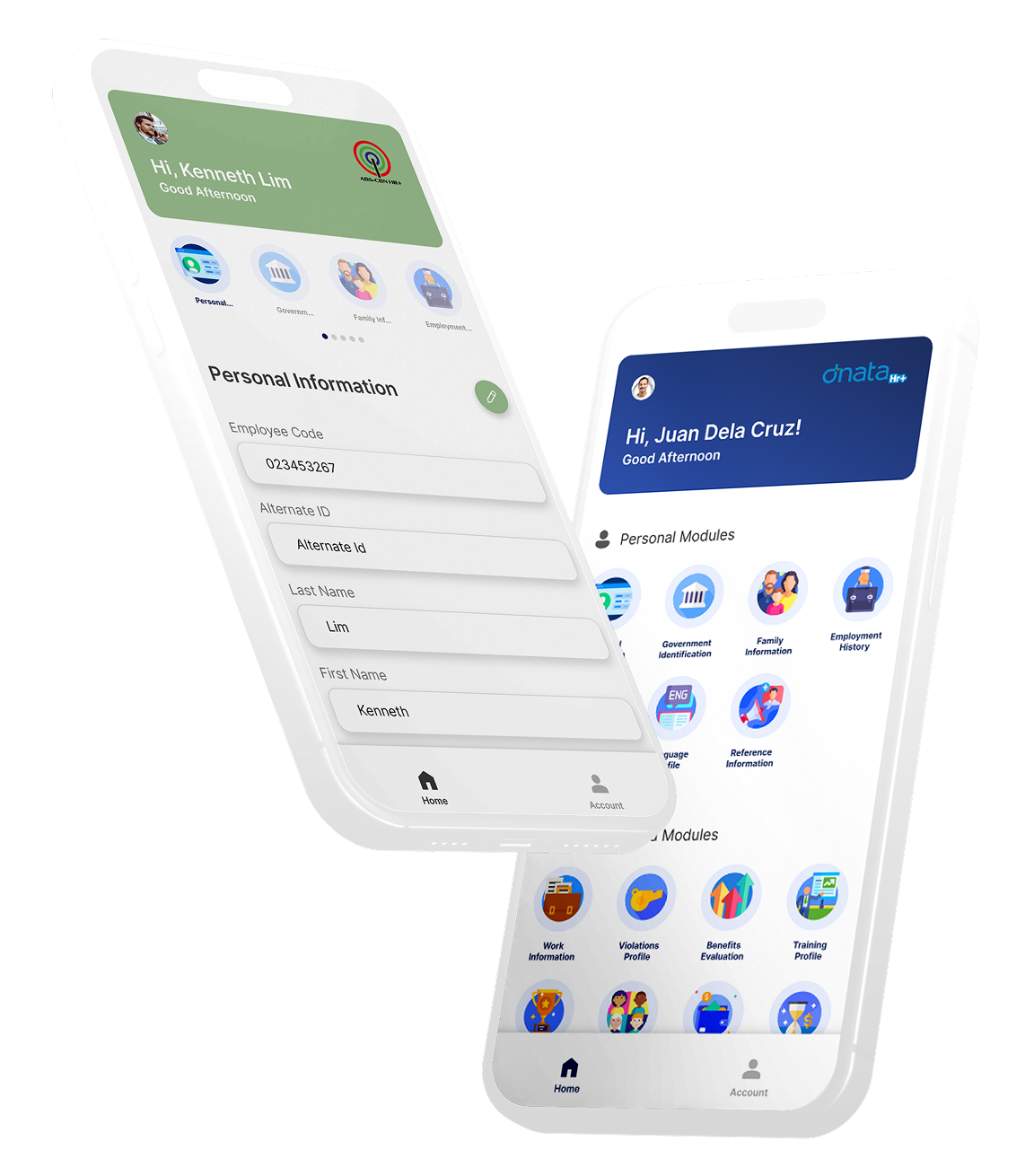
solutions. Platforms like HROnline+ provide the flexibility and accessibility modern organizations need.
With HROnline+, businesses can manage employee records, generate HR reports, and streamline HR
operations through a centralized system accessible online. This approach reduces the need for heavy
infrastructure while allowing HR teams to work efficiently from anywhere.
By adopting a cloud-ready HR platform like HROnline+, organizations can modernize their HR processes,
improve data accessibility, and focus more on people management rather than system maintenance.