For many businesses, spreadsheets are still an essential part of daily HR operations.
Employee records, attendance, leave balances, payroll information, schedules, and HR reports
may all be managed using Excel or other spreadsheet tools. For a small workforce, this
approach can seem practical, affordable, and easy to maintain.
But as a company grows, the same spreadsheets that once helped HR teams stay organized can
become a source of repetitive work, data inconsistencies, delays, and administrative
challenges.
The question is not whether spreadsheets are useful. They are.
The real question is:
When has your HR team outgrown spreadsheets?
For growing organizations, HR automation can provide a more structured way to manage
employee information and everyday HR processes while reducing unnecessary manual work.

There are several reasons spreadsheets remain popular among HR teams.
They Are Easy to Start With
A company can create an employee database without purchasing specialized software or implementing a
complicated system.
They Appear Cost-Effective
For a small business with only a few employees, using spreadsheets may initially seem more affordable
than investing in dedicated HR software.
They Are Flexible
HR teams can customize spreadsheets according to their own processes. Columns, formulas, worksheets, and
reports can be added whenever needed.
However, flexibility can become a problem when every HR process starts relying on separate spreadsheets.
As the organization grows, managing multiple files and manually moving information between them can
become increasingly difficult.
Spreadsheets are not inherently bad. The challenge comes from using them as the primary system for
increasingly complex HR operations.
An HR team may eventually have separate files for:
When these files are disconnected, HR professionals may need to repeatedly copy, update, verify, and reconcile information.

That creates opportunities for mistakes and consumes valuable time.
1. Manual Data Entry Takes Time
One of the biggest disadvantages of spreadsheet-based HR management is repetitive data entry.
An employee's information may need to be entered or updated in several files.
Attendance information may need to be transferred into another spreadsheet before payroll
processing.
Leave records may need to be manually checked against attendance information.
The more processes that require manual encoding, the more time HR spends maintaining data
instead of working on higher-value activities.
2. Human Errors Become More Likely
Even experienced HR professionals can make mistakes when working with large amounts of data.
A misplaced number, incorrect formula, outdated employee record, or accidental deletion can affect
reports and downstream processes.
When several spreadsheets are being used, it can also become difficult to determine which file contains
the most current information.
Automation can reduce the amount of repetitive manual data handling and create a more centralized source
of information.
3. Multiple Versions of the Same Data
Imagine an employee's information is stored in three different spreadsheets.
One file was updated yesterday.
Another was updated last week.
A third file was copied several months ago.
Which one is correct?
This is a common challenge when HR information is maintained manually.
A centralized HR system can help reduce this problem by keeping employee information within a structured
platform rather than relying on multiple disconnected files.
4. Attendance and Leave Can Become Difficult to Track
Attendance and leave are closely connected to workforce management and payroll.
When attendance records and leave information are maintained manually, HR teams may need to spend
considerable time checking and reconciling records.
Employees may also contact HR to ask about their attendance history or remaining leave credits.
With an automated HR platform, employees and authorized HR personnel can access supported information
through a centralized system.
5. Reporting Takes Longer
HR teams often need reports for management, payroll processing, workforce planning, and internal
monitoring.
With spreadsheets, preparing a report may require gathering information from several files, checking the
data, applying formulas, and formatting the final output.
This process can be repeated every week or month.
HR automation can help make reporting more structured by keeping relevant information in one system.
HR automation means using technology to streamline repetitive HR processes and reduce
unnecessary manual work.
It does not mean removing the human element from human resources.
Instead, automation handles structured and repetitive activities so HR professionals can focus
on tasks that require judgment, communication, empathy, and decision-making.
Common HR processes that can be automated or digitized include:
The goal is to create a more connected and efficient HR operation.

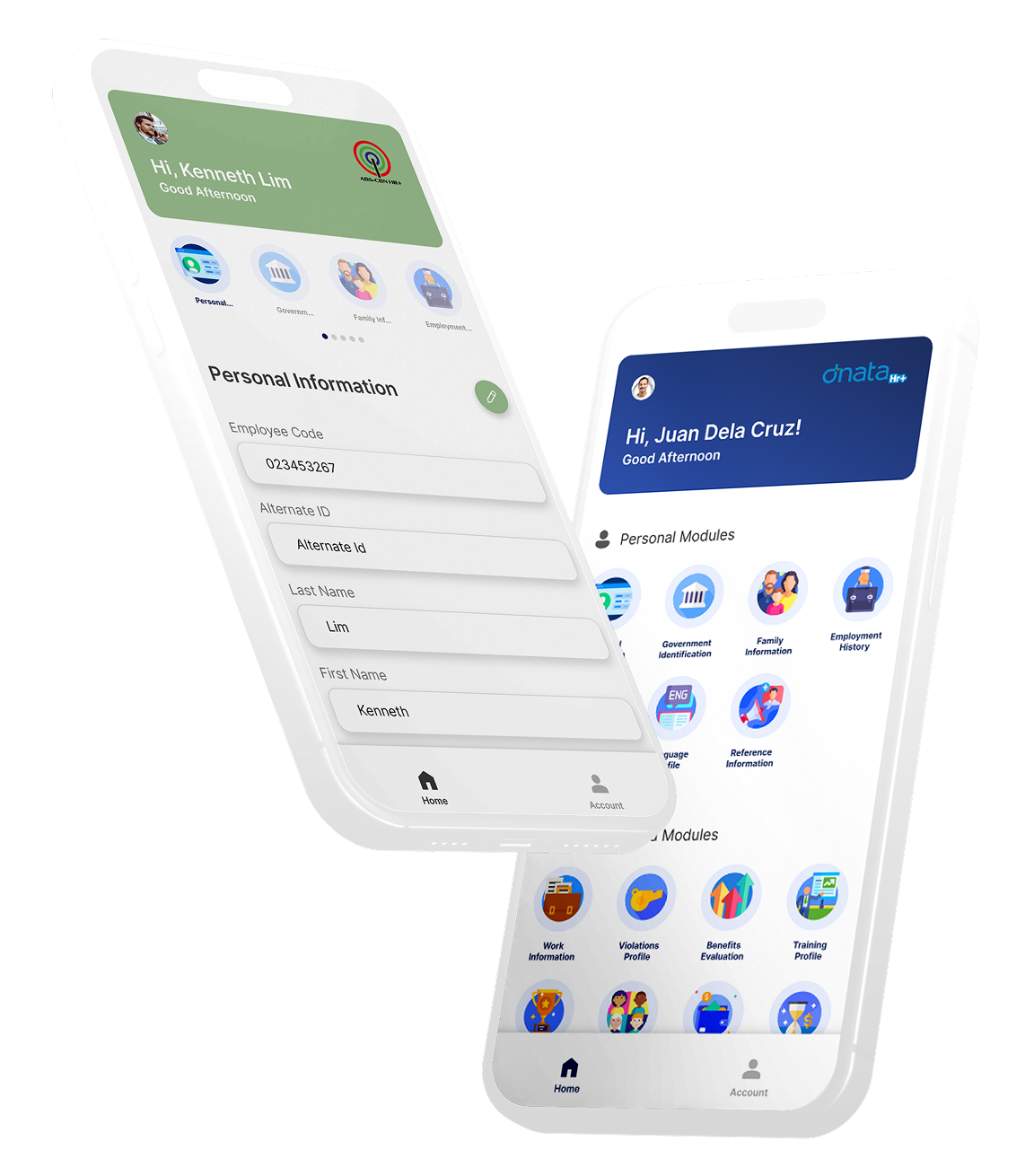
HROnline+ is a cloud-based HRIS designed to help businesses modernize and centralize their HR
operations.
Instead of managing employee information, attendance, leave, and other HR processes across disconnected
spreadsheets, organizations can use a centralized HR platform.
HROnline+ brings together essential HR functions such as:
No.
Small and medium-sized businesses can also benefit from HR automation.
In fact, smaller HR teams may benefit significantly because they often have limited personnel managing a
wide range of responsibilities.
Instead of adding more administrative work as the company grows, businesses can establish digital HR
processes early.
This allows the HR function to scale more efficiently alongside the organization.
Moving to HR automation does not mean spreadsheets become useless.
Spreadsheets remain valuable for data analysis, ad hoc calculations, planning, and many other business
activities.
The problem occurs when spreadsheets become the entire HR infrastructure.
When employee information, attendance, leave, payroll preparation, approvals, and reporting all depend
on manually maintained files, HR teams can spend too much time managing the system instead of managing
people.
The better approach is to use the right tool for the right purpose.
As businesses grow, HR becomes increasingly dependent on accurate employee information and efficient
processes.
Manual systems may work at a smaller scale, but they can become difficult to maintain when employee
numbers and HR requirements increase.
HR automation provides a way to create more connected workflows, reduce repetitive work, improve access
to information, and support a better employee experience.
The goal is not to make HR less human.
The goal is to give HR more time to be human.
If your HR team is spending too much time updating spreadsheets, checking attendance records, processing
leave requests, preparing reports, or answering repetitive employee questions, it may be time to
consider HR automation.
HROnline+ helps businesses centralize HR processes through a cloud-based HRIS designed to make employee
management more organized, connected, and efficient.
Move beyond disconnected spreadsheets and build a smarter HR workflow with HROnline+.