Productivity is often measured by how much employees accomplish in a day. But behind every
productive employee is a workplace designed to help them work efficiently.
When employees spend their time completing repetitive forms, waiting for approvals,
searching for HR information, or following up on administrative requests, valuable working
hours can slowly disappear.
These tasks may seem small individually. But across an entire organization, they can create
significant productivity losses.
This is why more businesses are turning to HR automation.
HR automation is changing the way organizations manage everyday employee processes by
replacing repetitive manual tasks with streamlined digital workflows. Instead of making
employees and HR teams work around complicated administrative processes, technology helps
make those processes work for them.

Imagine an employee who needs to request leave.
In a traditional setup, they may need to fill out a form, send it to their manager, wait for approval,
and then coordinate with HR so the leave can be properly recorded. If something is missing, the process
may require additional emails or follow-ups.
Now multiply that process by hundreds of employees and dozens of HR requests every month.
The same thing can happen with employee information updates, attendance concerns, onboarding documents,
performance reviews, and other routine HR activities.
The problem is not necessarily that these processes are difficult. The problem is that they take time
away from work that employees could otherwise be doing.
HR automation addresses this by creating digital workflows that allow routine processes to happen
faster, more consistently, and with less manual intervention.
The greatest benefit of HR automation may be something that is difficult to see on a spreadsheet: time
returned to employees.
Employees should not have to spend a significant portion of their workday figuring out how to complete
routine HR tasks.
With an automated HR system, employees can have direct access to important HR services and information.
They can submit requests, check records, update information, and complete certain processes without
constantly relying on HR personnel.
This creates a more convenient employee experience while reducing interruptions throughout the workday.
When administrative friction decreases, employees can put more attention toward their actual roles,
projects, customers, and responsibilities.
In other words, HR automation does not necessarily make employees work faster. It helps remove the
unnecessary work that gets in the way of productivity.
Productivity also depends on how quickly work moves through an organization.
A single HR request can involve several people. An employee may submit a request, a manager may need to
approve it, and HR may need to verify and record the information.
When these processes depend on emails, spreadsheets, and manual follow-ups, delays are easy to create.
Automated workflows provide a clearer path.
Once an employee submits a request, the system can route it to the appropriate person, trigger
notifications, record approvals, and update information according to the organization's workflow.
This reduces unnecessary back-and-forth communication and makes it easier for everyone involved to
understand what needs to happen next.
The result is a workplace where routine processes move forward without requiring constant manual
coordination.
HR professionals also benefit significantly from automation.
Human resources teams are responsible for much more than paperwork. They help organizations attract
talent, develop employees, improve workplace culture, support managers, and plan for the future.
However, repetitive administrative work can consume a large portion of their time.
Tasks such as updating employee records, processing requests, preparing reports, sending reminders, and
managing routine transactions may be necessary—but they do not always require extensive human
intervention.
Automation can take care of many repetitive steps while allowing HR professionals to focus on work that
requires judgment, communication, and empathy.
This changes the role of HR from primarily processing administrative requests to becoming a more
strategic partner within the organization.
Modern employees expect the same level of convenience from workplace technology that they experience
with other digital services.
They want to access information quickly. They want to submit requests without unnecessary paperwork.
They want visibility into the status of their transactions.
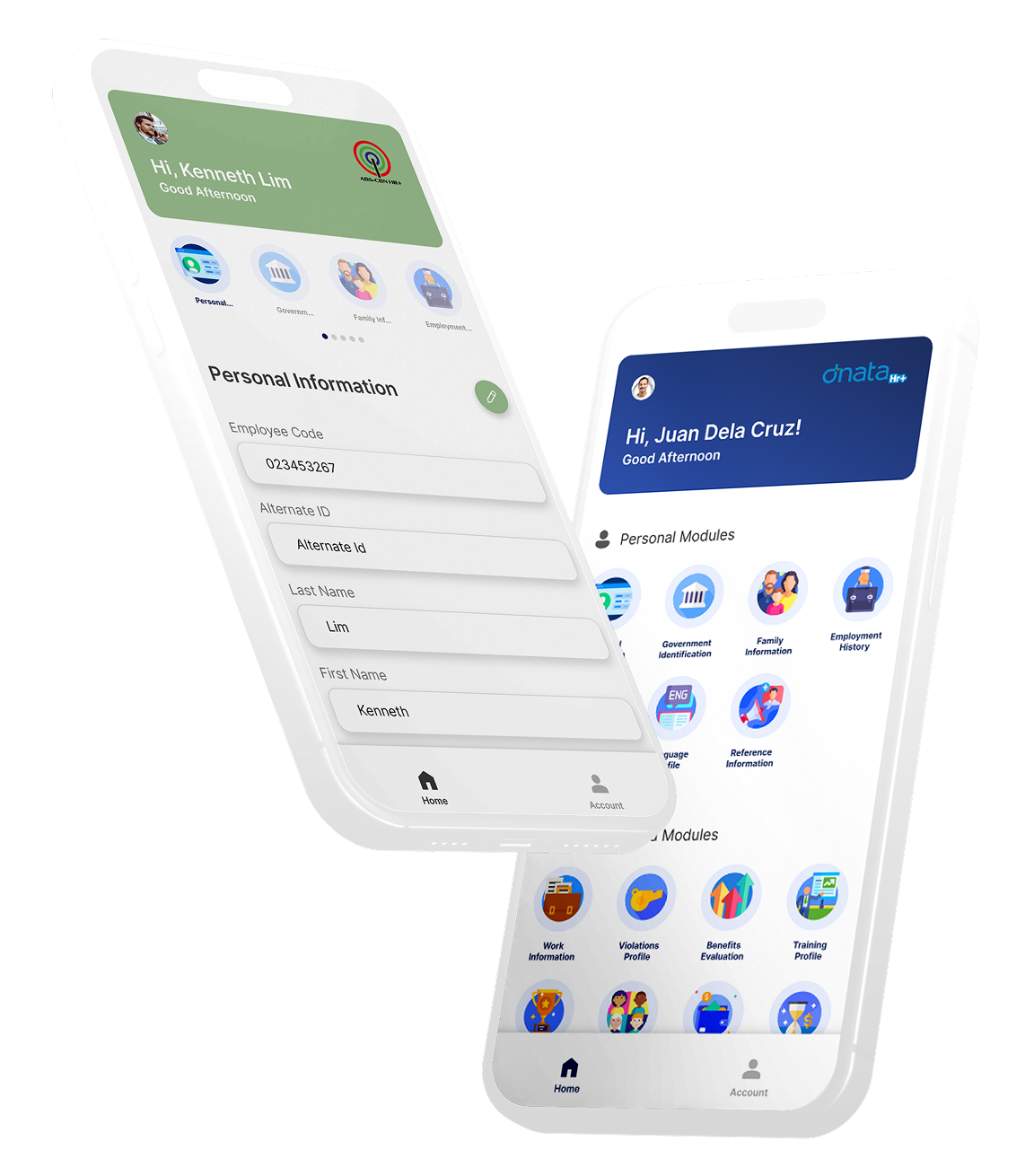
HR automation can make this possible through employee self-service.
Instead of asking HR for basic information or assistance with every routine process, employees can
access relevant services through a centralized platform.
This not only saves time for employees. It also reduces the number of repetitive questions HR teams need
to answer.

Productivity is not only about speed. Accuracy matters just as much.
Manual processes create opportunities for data-entry mistakes, missed requests, duplicated
information, and inconsistent records. Correcting these issues can take even more time than
completing the original task.
Automated systems can help reduce these risks by standardizing processes and keeping information
within a centralized environment.
When employees and HR teams work with more organized information, there is less time spent
correcting administrative mistakes.
That means fewer interruptions, fewer follow-ups, and smoother day-to-day operations.
Employee productivity begins before an employee completes their first major assignment.
A poorly organized onboarding process can leave new employees waiting for documents, approvals, system
access, instructions, or other essential information.
Automation can help organizations create a structured onboarding experience.
Tasks can be assigned to the appropriate departments, reminders can be triggered automatically, and
important employee information can be organized within the HR system.
This allows new employees to spend less time navigating administrative requirements and more time
learning their roles, connecting with their teams, and contributing to the organization.
A smoother start can create a stronger foundation for long-term productivity.
HR automation can also make life easier for managers.
Managers often have to balance their team's work with administrative responsibilities such as approving
leave, reviewing attendance information, completing performance evaluations, and responding to
HR-related requests.
When these processes are scattered across different channels, they can become difficult to track.
A centralized HR platform gives managers a clearer view of the tasks and approvals that require their
attention.
Automated notifications and workflows can also reduce the need for manual follow-ups.
This allows managers to spend more time leading their teams and less time managing administrative
processes.
Automation can provide another productivity advantage: better access to information.
When HR data is scattered across spreadsheets, emails, and paper documents, creating useful reports can
take significant time.
A centralized HR system can organize employee information and make it easier to generate reports and
monitor important workforce data.
This can help management identify trends, understand workforce needs, and make more informed decisions.
Better information leads to better decisions—and better decisions can ultimately support a more
productive organization.
One common misconception about automation is that its purpose is to eliminate human involvement.
In HR, the opposite can be true.
The most valuable parts of human resources—building relationships, resolving employee concerns,
developing talent, supporting managers, and shaping company culture—depend on people.
Automation simply removes some of the repetitive work surrounding those responsibilities.
When technology handles routine processes, HR professionals have more time to focus on the human side of
HR.
Employees also gain more time to focus on meaningful work.
That is where the real productivity advantage lies.
Organizations looking to modernize their HR operations need more than individual tools. They need a
system that connects their HR processes and makes everyday employee interactions easier.
HROnline+ helps organizations move toward a more automated and centralized HR environment by bringing
essential HR processes into one platform.
From employee information and attendance to leave management, workflows, performance processes, and
employee services, HR technology can help reduce manual work and create more efficient ways of working.
The goal is simple: give employees and HR teams more time to focus on work that matters.
Employee productivity is not achieved simply by adding more tasks to an employee's day.
It comes from removing unnecessary obstacles.
When HR processes are slow, employees lose time. When information is difficult to access, employees lose
time. When approvals require endless follow-ups, employees lose time.
HR automation helps eliminate many of these sources of friction.
By streamlining routine processes, improving self-service, reducing manual work, and creating more
connected workflows, organizations can build an environment where employees are better equipped to do
their best work.
The future of HR is not about making people work more.
It is about using technology to make work simpler, smarter, and more productive.