Human Resources has traditionally been one of the most administrative functions within an
organization. Employees often depend on HR departments for routine requests such as updating
personal information, checking leave balances, requesting employment documents, reviewing
attendance records, or asking questions about company policies.
While these processes may seem simple individually, they can consume significant amounts of
time when hundreds or even thousands of employees require assistance.
As businesses continue to embrace digital transformation, organizations are looking for
better ways to make HR services faster, more accessible, and more efficient. One of the most
effective solutions is Employee Self-Service (ESS).
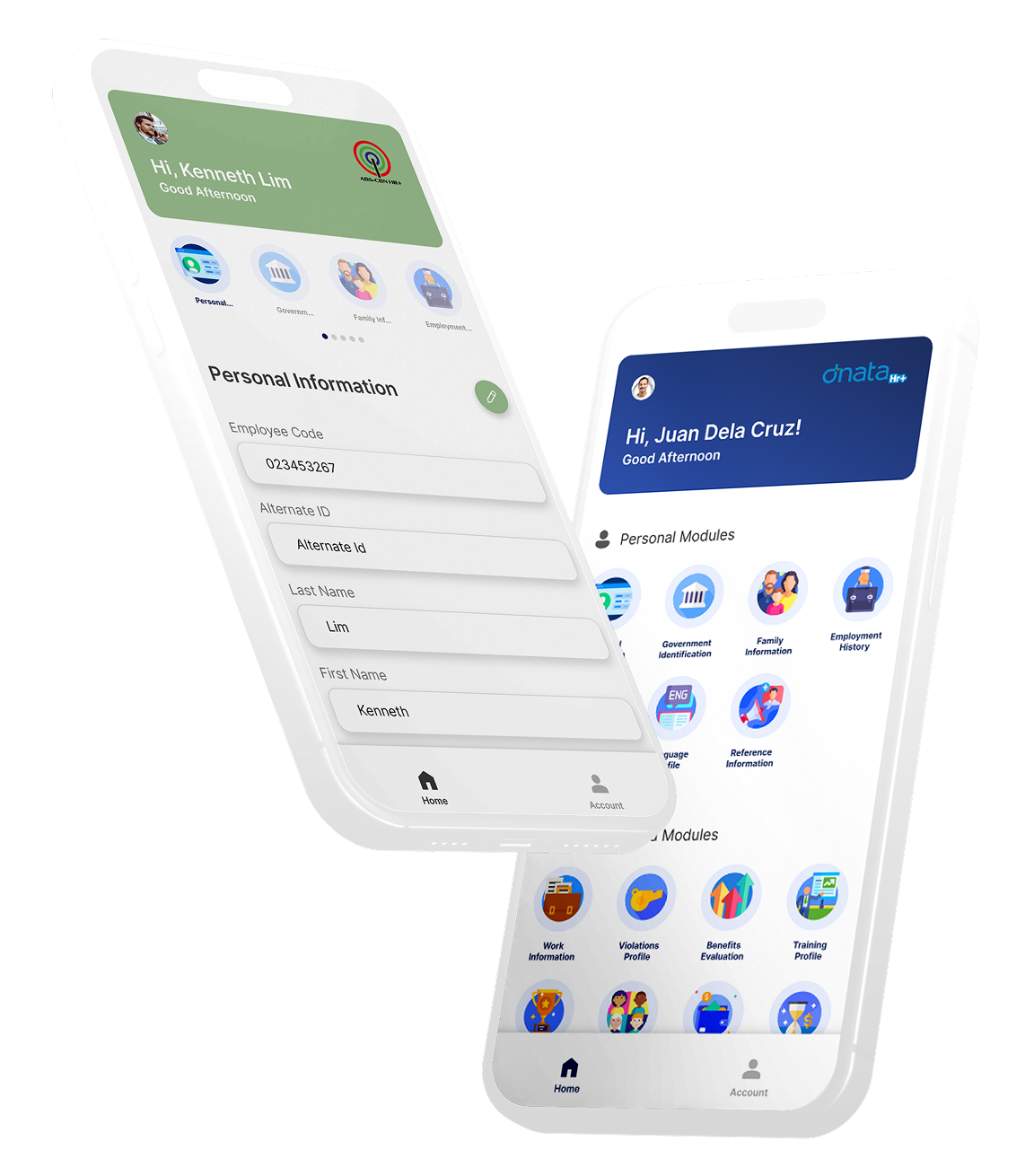
Employee Self-Service allows employees to access and manage many aspects of their HR
information independently through a digital platform. Instead of contacting HR for every
routine request, employees can use an ESS portal or application to view information, submit
requests, update records, and monitor their HR activities.

For employers, this means fewer repetitive administrative tasks and more time for strategic HR
initiatives. For employees, it creates a more convenient and transparent workplace experience.
This guide explores what Employee Self-Service is, how it works, the benefits it provides to both
employers and employees, and how HROnlinePlus helps organizations modernize HR management through
digital self-service capabilities.
Employee Self-Service, commonly called ESS, is a feature within an HR information system that allows
employees to access and manage their own HR-related information without relying entirely on HR
personnel.
Through an ESS platform, employees can perform routine tasks such as viewing attendance records,
submitting leave requests, updating personal information, accessing company documents, and checking
available leave balances.
Instead of HR acting as the middle point for every request, employees gain direct access to information
and services relevant to them.
This creates a more efficient two-way relationship between employees and HR.
For example, an employee who wants to know how many leave credits remain does not necessarily need to
send an email to HR. With an ESS platform, the employee can simply log in and view the information.
The HR team, meanwhile, avoids spending time answering routine questions.
An ESS system typically operates as part of a broader HRIS or cloud-based HR platform.
Each employee receives secure access to their individual account. The information they can view or
modify depends on the permissions established by the organization.
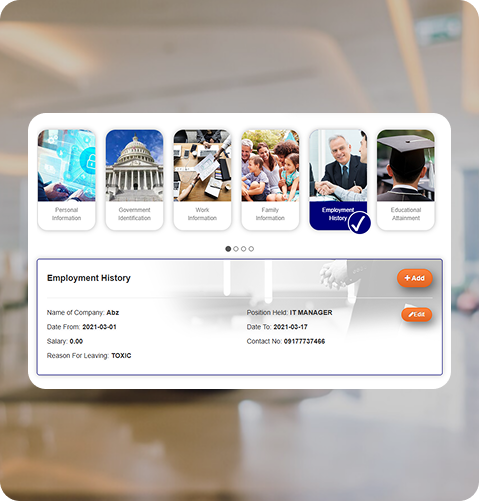
Employees may be able to access information such as their personal profile, attendance history, leave
balances, company documents, and other employment-related details.
When an employee submits a request, such as a leave application, the system can automatically route it
to the appropriate manager for approval. Once approved, the relevant information can be updated within
the HR system.
This creates a digital workflow that reduces paperwork and unnecessary communication.
Instead of sending forms back and forth through email, employees, managers, and HR teams can complete
the entire process within one centralized system.

As organizations grow, HR departments face an increasing number of administrative requests.
A small HR team may be able to manage these requests manually when a company has only a few
dozen employees. But as the workforce expands, the volume of inquiries and paperwork increases
significantly.
Employees may regularly ask HR about:
Handling every request manually takes time away from more strategic HR activities.
Employee Self-Service solves this problem by allowing employees to access information and complete
routine tasks independently.
The result is a more efficient HR department and a more empowered workforce.
The most immediate advantage of ESS is convenience.
Employees no longer need to wait for HR to respond to every routine request. Instead, they can access
relevant information whenever they need it, often through a web browser or mobile device.
Greater Convenience
Employees can submit requests and access information without physically visiting the HR department.
This is particularly useful for remote workers, employees working across multiple branches, and teams
with flexible schedules.
Faster HR Requests
Digital workflows reduce unnecessary delays. A leave request can be submitted electronically and
automatically forwarded to the appropriate manager.
Greater Transparency
Employees can see information such as attendance history and leave balances directly, reducing
uncertainty and improving trust.
More Control Over Personal Information
Employees can update eligible personal details themselves rather than relying on HR staff to make every
change.
Better Digital Experience
Modern employees expect convenient digital tools. An intuitive ESS platform provides an experience that
aligns with how people already interact with technology in their everyday lives.
ESS isn't only designed to make employees' lives easier. Employers can also achieve significant
operational benefits.
One of the biggest advantages is reduced administrative workload.
HR professionals often spend a considerable amount of time responding to repetitive questions and
processing routine paperwork. When employees can complete these tasks themselves, HR teams can redirect
their attention toward recruitment, employee development, engagement, workforce planning, and
organizational strategy.
ESS also improves data accuracy.
When employees are allowed to update certain information directly, the organization can reduce the
number of manual data-entry steps required from HR personnel. Fewer manual entries can mean fewer
opportunities for mistakes.
Another important benefit is improved efficiency across departments. Managers can approve requests
digitally, HR can monitor workflows, and employees can track the status of their submissions.
Transparency is increasingly important in modern organizations.
Employees want to understand how their attendance, leave, requests, and other HR information are
being managed.
When information is hidden behind manual processes, employees may need to repeatedly contact HR
for updates.
Employee Self-Service changes this dynamic.
Employees can access relevant information directly, creating greater visibility into their
employment records and HR processes.
For example, an employee can review their attendance history instead of asking HR to provide a
report. They can also view leave balances and monitor submitted requests.
This transparency can improve employee confidence in HR processes and reduce unnecessary
misunderstandings.
The rise of remote and hybrid work has made ESS even more valuable.
Traditional HR processes often assume that employees are physically present in the office. Paper forms,
physical signatures, and face-to-face requests become difficult when employees work remotely.
ESS eliminates much of this dependency.
Employees can submit requests, access information, and communicate with HR workflows digitally
regardless of where they are working.
For companies with multiple branches or geographically distributed teams, this creates a consistent HR
experience across the organization.
One of the biggest advantages of Employee Self-Service is what it allows HR professionals to stop doing.
When HR spends less time answering repetitive questions and manually processing routine requests, they
have more time to focus on activities that directly contribute to organizational growth.
These may include talent development, employee engagement, recruitment strategy, workforce planning,
performance management, and company culture.
This represents a significant shift in the role of HR.
Rather than being primarily administrative, HR can become a strategic partner within the organization.
Modern ESS platforms can provide a wide range of capabilities depending on the organization's needs.
Common features include:
Organizations can configure permissions so employees only see information appropriate for their role.
Managers can receive additional access for approving requests and monitoring their teams, while HR
administrators maintain broader control over the system.
Because HR systems contain sensitive employee information, security is an essential consideration.
A properly designed ESS platform should use secure authentication, role-based access controls, data
protection measures, and controlled permissions.
Employees should only be able to access information that belongs to them or information they are
authorized to view.
Managers should have access to appropriate team information, while HR administrators may have broader
system permissions.
Businesses should also establish clear policies regarding employee data and system access.
Technology can make HR information more accessible, but accessibility must always be balanced with
security.
Implementing Employee Self-Service becomes significantly easier when businesses have a centralized HR
platform designed around digital employee management.
HROnlinePlus helps organizations modernize their HR processes by providing employees with convenient
access to important HR services and information while reducing the administrative burden placed on HR
teams.
Through its digital HR environment, employees can interact with HR processes more independently, while
managers and HR administrators maintain visibility and control over approvals, records, attendance, and
other workforce activities.
Instead of relying heavily on paper forms, email requests, and manual updates, organizations can create
streamlined workflows that connect employees, managers, and HR in one system.
This approach allows HROnlinePlus to support a more efficient employee experience while helping HR
departments manage their workforce more effectively.
For businesses with growing teams, multiple locations, or increasingly flexible work arrangements,
having a centralized self-service platform can make HR operations easier to scale.
By digitizing everyday HR interactions, HROnlinePlus helps businesses reduce repetitive administrative
work and create a more connected workplace where employees have greater control over their HR
information.
Introducing Employee Self-Service requires more than simply giving employees access to new software.
Organizations should first identify which HR processes are most suitable for self-service.
Simple, repetitive tasks are usually the best starting point. These may include leave requests, employee
profile updates, attendance viewing, and document access.
Businesses should also establish clear approval workflows and permissions before launching the system.
Employee training is another important consideration. Even intuitive systems require some introduction
so employees understand what they can access and how to use the available features.
Finally, organizations should communicate the benefits of ESS clearly.
Employees are more likely to adopt a new system when they understand how it will make their daily work
easier.
Businesses should monitor how ESS affects HR operations after implementation.
Useful indicators may include the number of requests submitted digitally, HR response times, employee
adoption rates, reduction in manual paperwork, and overall employee satisfaction.
For example, if HR previously spent several hours each week responding to leave balance inquiries, the
organization can measure how much that workload decreases after ESS implementation.
The goal is not simply to introduce new technology. The goal is to create measurable improvements in
efficiency and employee experience.
Employee Self-Service will continue to evolve as businesses adopt more advanced HR technology.
Future HR platforms are likely to provide increasingly personalized employee experiences, mobile-first
interfaces, intelligent notifications, automated workflows, and deeper integration with payroll,
attendance, performance, and workforce analytics.
Artificial intelligence may also help employees find answers to common HR questions without requiring
direct interaction with HR personnel.
As these technologies mature, the traditional HR service model will continue moving toward a more
digital, accessible, and employee-centered approach.
Employee Self-Service represents a fundamental shift in how organizations manage their workforce.
Instead of requiring HR departments to handle every routine request, ESS gives employees direct access
to the information and services they need. This creates a faster, more convenient, and more transparent
HR experience while reducing repetitive administrative work.
For employees, the benefits include greater convenience, faster requests, improved transparency, and
more control over personal HR information. For employers, ESS can reduce administrative workload,
improve data accuracy, streamline workflows, and allow HR professionals to focus on more strategic
priorities.
As businesses become increasingly digital and workforces become more distributed, Employee Self-Service
is becoming an essential component of modern HR management.
HROnlinePlus provides businesses with the tools needed to move toward this modern approach by connecting
employees, managers, and HR teams through a centralized digital platform. By simplifying routine HR
processes and giving employees greater access to their information, HROnlinePlus helps organizations
build a more efficient and employee-focused workplace.
Ultimately, Employee Self-Service is not simply about giving employees access to an HR portal. It is
about creating a workplace where information is accessible, processes are efficient, and employees have
greater control over their everyday HR experience.
For organizations looking to reduce administrative complexity while improving employee engagement and
operational efficiency, investing in Employee Self-Service is a practical step toward building a smarter
and more connected workplace.