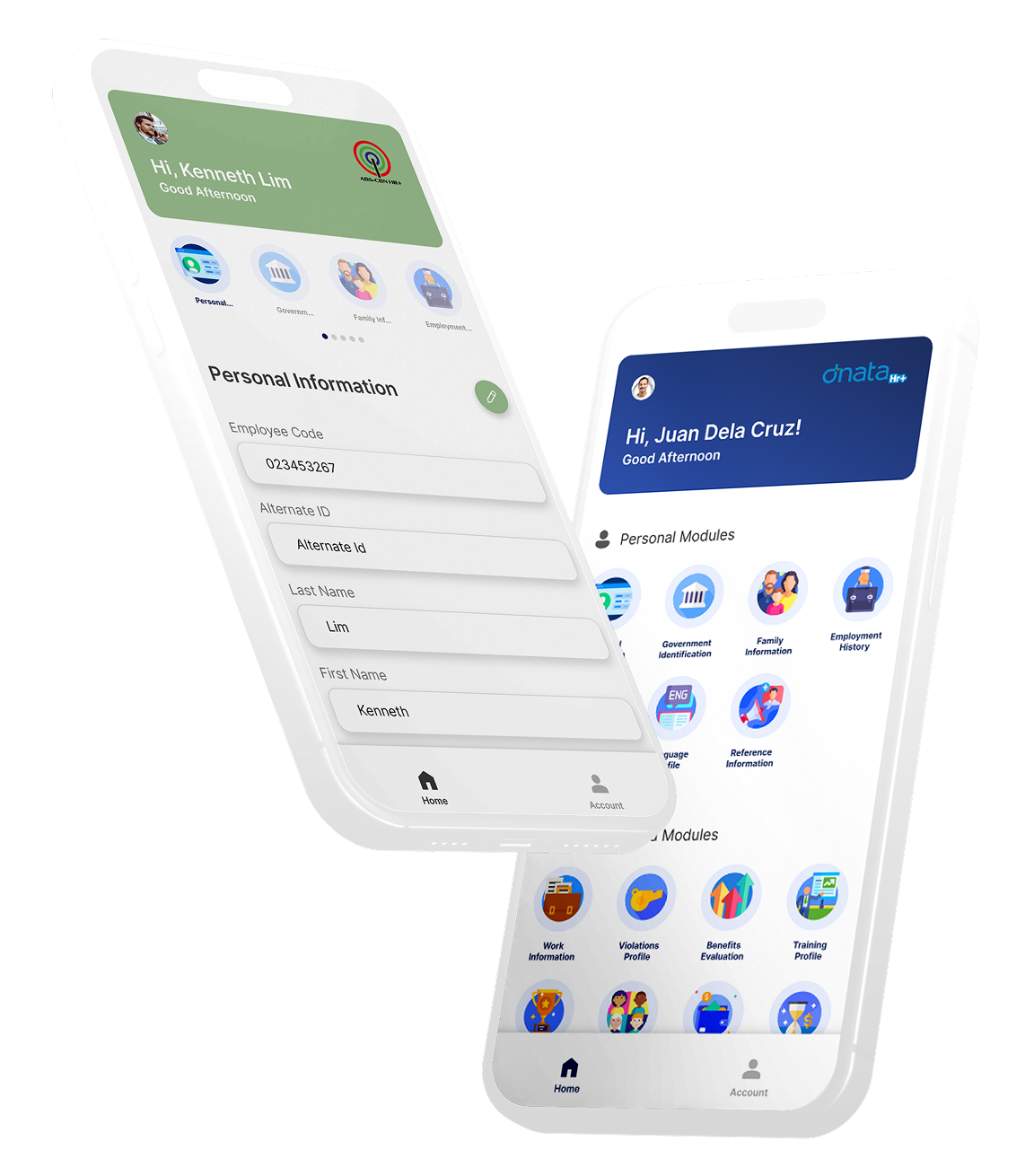
Managing employee attendance is an essential part of running an efficient organization.
Attendance records affect payroll, workforce planning, productivity, scheduling, leave
management, and even employee experience. Yet many businesses continue to rely on
spreadsheets, manual attendance sheets, or outdated timekeeping methods that require
significant administrative effort.
As companies become more digital, an Attendance Management System has become an increasingly
valuable tool for organizations looking to simplify how they track and manage employee
attendance.
However, choosing an attendance system is not simply about finding a tool that records
time-in and time-out. Different businesses have different workforce structures, policies,
and operational requirements. A system that works well for a small office may not be
suitable for a company with hundreds of employees, multiple branches, remote workers, or
field personnel.

This is why businesses need to carefully evaluate the features of an attendance management system before
making a decision.
A good system should not only make attendance tracking easier. It should help HR teams reduce repetitive
work, improve record accuracy, provide useful workforce information, and integrate attendance data into
broader HR processes.
HROnlinePlus provides businesses with a modern HR technology approach that can help organizations manage
employee information and workforce processes more efficiently.
In this guide, we explore the most important features businesses should look for when choosing an
attendance management system and why the right technology can make a meaningful difference in everyday
HR operations.
Traditional attendance management can become increasingly difficult as a company grows.
A small business may initially be able to manage attendance using a spreadsheet or physical logbook. HR
personnel can manually review employee records and calculate working hours.
But as the number of employees increases, the process becomes more complicated.
HR teams may need to review hundreds of attendance entries, identify late arrivals, monitor absences,
check overtime, process leave requests, and prepare attendance reports.
Manual systems also create opportunities for errors. An incorrect spreadsheet formula, missing entry,
duplicate record, or inaccurate time entry can affect the reliability of attendance information.
The problem becomes even more challenging when employees work remotely, operate from different branches,
or spend part of their working hours outside the office.
A modern attendance management system addresses many of these challenges by moving attendance
information into a centralized digital environment.
Instead of spending hours collecting and organizing attendance data, HR teams can use technology to
automate many repetitive processes.
Not every attendance management system offers the same capabilities. Businesses should look beyond the
basic ability to record employee time.
The following features can help organizations determine whether a system is suitable for their
workforce.

1. Accurate Time-In and Time-Out Tracking
At the foundation of any attendance system is reliable time tracking.
Employees should be able to record when they begin and end their workday through a convenient
method supported by the organization.
Depending on the system, attendance may be recorded through mobile devices, web applications,
biometric devices, or other authorized methods.
The important consideration is consistency.
The system should accurately capture attendance transactions and organize them into usable
records.
For HR teams, reliable time-in and time-out information creates the foundation for calculating working
hours, monitoring attendance patterns, and preparing reports.
A system should also make it easy to identify missing or incomplete attendance records so HR personnel
can address them promptly.
2. Real-Time Attendance Monitoring
One of the advantages of digital attendance management is visibility.
Instead of waiting until the end of the day or payroll period to review attendance records, managers can
have access to more current attendance information.
Real-time monitoring can help businesses identify attendance issues earlier.
For example, managers may need to know which employees are currently present, absent, late, or working
remotely.
This can be particularly valuable for businesses with large teams or multiple departments.
Rather than relying on messages or manually updated spreadsheets, management can access attendance
information through a centralized system.
This gives HR and managers a clearer picture of workforce availability.
3. Mobile Attendance for Modern Workforces
The traditional office is changing.
Many businesses now have employees working remotely, following hybrid arrangements, visiting customers,
or working across different locations.
An attendance system should therefore be able to support modern workforce structures.
Mobile attendance capabilities allow employees to interact with the attendance system through their
authorized devices, depending on company policies and system configuration.
This can make attendance management more flexible for organizations with employees who do not always
work from a single office.
For businesses adopting hybrid work, mobile accessibility can also help create a consistent attendance
process across different work arrangements.
4. Location and Geolocation Features
For businesses with field employees, location-related attendance features can be particularly useful.
Geolocation functionality can associate an attendance transaction with a specific location, depending on
the system's configuration.
This can help organizations establish attendance policies for employees who work outside the main
office.
For example, a company with service technicians or sales representatives may need employees to record
attendance while working at approved locations.
Location features can provide additional information for managers when reviewing attendance records.
However, businesses should establish clear policies regarding how location information is collected and
used and should ensure that their practices comply with applicable privacy requirements.
5. Automated Attendance Calculations
Manual calculation is one of the most time-consuming parts of attendance administration.
HR teams may need to calculate working hours, late minutes, undertime, overtime, and other
attendance-related information.
An effective attendance management system can automate many of these calculations based on configured
company policies.
Automation can reduce repetitive work and help minimize calculation errors.
Instead of manually checking every employee's attendance record, HR teams can review system-generated
information and focus on exceptions that require attention.
This can significantly improve productivity, particularly for organizations with large workforces.
6. Leave and Absence Management
Attendance cannot be separated from employee leave.
Employees may need to request vacation leave, sick leave, emergency leave, or other approved
absences.
A modern attendance management system should ideally connect attendance and leave information.
This allows HR teams to understand whether an employee was absent because of an approved leave
or whether an attendance record requires further review.
Digital leave management can also eliminate some of the paperwork involved in traditional
processes.
Employees can submit requests electronically, while managers can review and approve them through
the system.
This creates a more organized workflow for both employees and HR.

7. Overtime and Schedule Management
Different employees may have different schedules.
Some businesses operate regular office hours, while others use shifting schedules, flexible hours, or
rotating work arrangements.
An attendance management system should be flexible enough to accommodate the organization's scheduling
structure.
Overtime management is another important consideration.
Businesses may need to identify employees who worked beyond their scheduled hours and ensure that
approved overtime is properly recorded.
Automating these processes can reduce the amount of manual work required from HR teams.
It can also create clearer records that can be reviewed during payroll processing.
8. Payroll Integration
Attendance and payroll are closely connected.
Attendance information can influence salary calculations through factors such as working hours,
absences, late arrivals, undertime, and overtime.
When attendance and payroll systems operate separately, HR teams may need to manually transfer
information between platforms.
This creates additional administrative work and increases the possibility of data entry errors.
Payroll integration can help solve this problem.
An attendance management system that integrates with payroll software can make it easier to transfer
relevant attendance information into payroll processes.
For businesses using HROnlinePlus, having HR information and workforce processes managed through a more
connected digital environment can help reduce fragmentation between different HR tasks.
The goal is to create a smoother flow of information from employee attendance to payroll and other HR
functions.
9. Attendance Reports and Analytics
Data is one of the most valuable benefits of digital attendance management.
A good system should allow HR teams and authorized managers to generate useful reports.
Instead of simply storing attendance records, the system should make the information easy to understand.
Useful reports may include:
These reports can help managers identify attendance patterns and make more informed workforce decisions.
For example, consistently high absenteeism in a particular department may indicate a scheduling,
management, or workforce issue that requires further investigation.
10. Employee Self-Service Capabilities
Modern HR technology is increasingly focused on employee self-service.
Instead of requiring employees to contact HR for every attendance-related question, a self-service
feature can allow them to access relevant information themselves.
Depending on the system, employees may be able to review attendance records, submit corrections, request
leave, or view other HR information.
This can reduce the number of repetitive questions HR teams receive.
It also gives employees greater visibility into their own records.
A transparent system can help employees understand how their attendance is being recorded and provide an
appropriate process for correcting inaccurate information.
Businesses should avoid selecting an attendance management system simply because it has the largest
number of features.
The right system is the one that addresses the organization's actual requirements.
A company with a small office-based workforce may have different priorities from a business with
multiple branches and hundreds of field employees.
Before selecting a system, HR teams should evaluate their current attendance process and identify its
biggest problems.
Are employees struggling with manual attendance?
Does HR spend too much time checking spreadsheets?
Are payroll calculations difficult?
Do managers have limited visibility into attendance?
Are remote employees difficult to track?
Once these challenges are identified, businesses can prioritize the features that directly address them.
An attendance management system becomes even more valuable when it is part of a broader HR management
environment.
This is where HROnlinePlus can provide value to businesses looking to modernize their HR processes.
Rather than treating attendance as an isolated administrative function, HROnlinePlus is designed to help
businesses manage HR processes through a more centralized and technology-driven approach.
Digital HR management can help organizations reduce paperwork, organize employee information, improve
accessibility, and streamline routine administrative activities.
Attendance is an important part of this ecosystem because employee time records often connect with
payroll, leave management, employee records, scheduling, and other HR processes.
With the right technology, businesses can reduce the need to move information manually between different
systems.
For HR departments, this can create a more connected workflow.
Instead of spending large amounts of time maintaining spreadsheets and manually consolidating attendance
information, HR teams can use technology to manage workforce information more efficiently.
HROnlinePlus can be particularly useful for organizations looking to move toward a more digital HR
environment where attendance management becomes part of a broader employee management strategy.

Attendance management is sometimes viewed as a basic administrative responsibility.
In reality, attendance information can provide valuable insight into how an organization
operates.
Patterns in lateness, absenteeism, overtime, and working schedules can help management
understand workforce behavior.
When attendance information is accurate and organized, businesses can use it to improve
workforce planning.
For example, managers may identify departments that regularly require overtime or periods when
staffing levels are insufficient.
This information can support better scheduling and resource allocation.
Choosing an attendance system requires more than comparing feature lists.
One common mistake is selecting a system based solely on price.
A low-cost platform may not provide the integrations, support, scalability, or security that the
organization actually needs.
Another mistake is ignoring employee experience.
If employees find the system difficult to use, HR may spend more time handling attendance-related
questions and corrections.
Businesses should also avoid overlooking integration.
Attendance information often connects to payroll and other HR processes, so organizations should
determine whether the system can work with their existing technology environment.
Finally, companies should not ignore data security and privacy.
Employee attendance information should be managed responsibly and protected through appropriate
technical and organizational measures.
Technology alone does not solve every attendance problem.
Businesses also need clear policies, consistent procedures, employee communication, and proper system
configuration.
When technology and policy work together, attendance management becomes much more effective.
Employees should understand how attendance is recorded, when they need to clock in and out, how leave is
handled, and what procedure should be followed when a mistake occurs.
Managers should understand their responsibilities for reviewing and approving attendance information.
HR teams should have clear processes for correcting records and generating reports.
The attendance system then becomes the tool that supports these processes.
An attendance management system should do more than record when employees arrive and leave.
The right solution can help businesses reduce administrative work, improve attendance visibility,
organize employee records, support payroll processes, and provide useful workforce insights.
When evaluating an attendance system, businesses should consider features such as accurate time
tracking, mobile attendance, location capabilities, automated calculations, leave management, payroll
integration, reporting, employee self-service, security, and scalability.
More importantly, organizations should select technology based on their actual workforce requirements.
For businesses looking to modernize their HR operations, HROnlinePlus provides an opportunity to bring
attendance and other HR processes into a more connected digital environment.
By reducing reliance on manual processes and giving HR teams better tools to manage employee
information, HROnlinePlus can help organizations create a more efficient and modern approach to
workforce management.
Ultimately, the best attendance management system is not necessarily the one with the longest feature
list.
It is the one that makes attendance easier to manage, easier for employees to use, and more useful for
the organization.
As businesses continue to embrace digital transformation, investing in the right attendance technology
can be an important step toward building a smarter, more efficient, and more connected workplace.