Employee leave is a normal and important part of every workplace. Employees need time away
from work for vacations, personal responsibilities, family matters, health needs, and other
circumstances. For businesses, however, managing those absences requires more than simply
approving a request.
HR teams need to maintain accurate leave balances, managers need to understand staffing
availability, and employees need a clear way to request and monitor their time off. When
these processes are handled manually through spreadsheets, emails, paper forms, or chat
messages, even a simple leave request can become an administrative task.
As organizations grow, having a structured Leave Management System becomes increasingly
valuable. Digital leave management can help businesses organize requests, improve
visibility, reduce repetitive work, and provide employees with a more convenient experience.
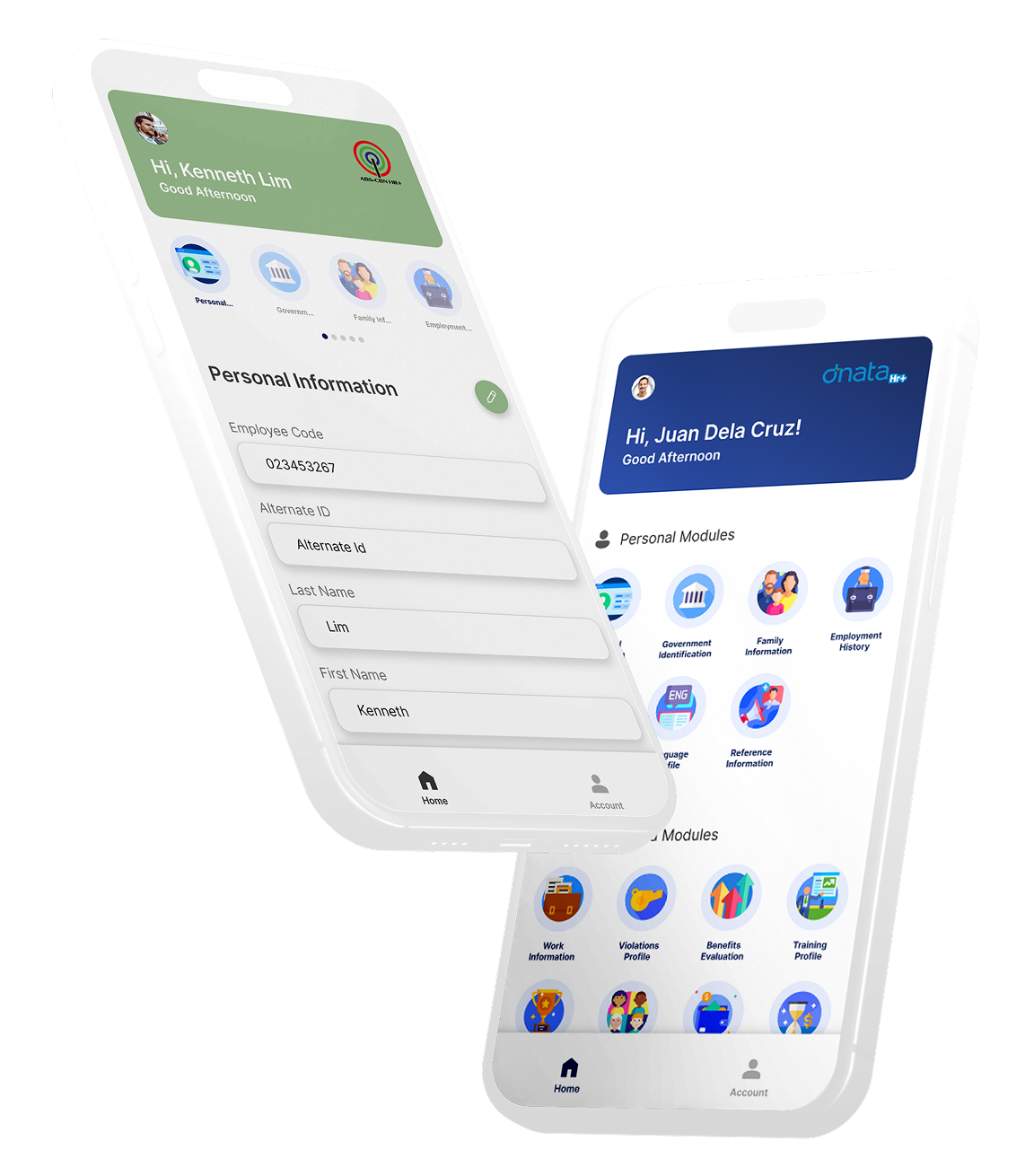
HROnlinePlus helps businesses move toward a more connected HR environment by providing
digital tools that can simplify everyday workforce management.

Leave management may not seem like one of the most complicated HR responsibilities, but poor processes
can create problems across the organization.
Imagine an employee submitting a vacation request through email. The manager approves it, but HR does
not immediately update the employee's leave balance. Another employee then requests leave for the same
period, without knowing that several team members are already scheduled to be absent.
Situations like this can create confusion for employees, managers, and HR.
An effective leave management process gives everyone better visibility. Employees know what leave they
have available, managers can see upcoming absences, and HR can maintain a reliable record of employee
leave.
The result is a workplace where time-off requests are easier to manage and less dependent on manual
communication.
Many businesses start managing leave with spreadsheets because they are inexpensive and familiar.
For a small team, this may be enough. But as the number of employees increases, spreadsheets can become
difficult to maintain.
HR may need to manually update balances, record approved requests, calculate remaining days, and
communicate changes to employees.
There is also the possibility of accidentally deleting information, entering incorrect data, or working
from an outdated version of a file.
Paper forms can create similar challenges. Requests need to be physically submitted, reviewed, stored,
and retrieved when needed.
A digital leave management system provides a centralized environment where requests and records can be
managed more efficiently.
Technology is important, but it should support a clear company leave policy.
Employees should understand what types of leave are available, how requests are submitted, who approves
them, and how leave balances are calculated.
A well-defined policy can answer common questions before they reach the HR department.
For example, employees should know how far in advance they should request planned leave and whether
certain types of leave require supporting documentation.
When policies are clearly communicated and supported by an appropriate digital system, employees and
managers are more likely to follow a consistent process.

Requesting leave should not feel like a complicated administrative process.
With a modern system, employees can submit requests digitally instead of relying on paper forms
or sending multiple emails.
A typical digital request can include the type of leave, requested dates, and any necessary
information required by the company.
Once submitted, the request can be routed to the appropriate manager for review.
This creates a clear record from the beginning and reduces the possibility of requests being
lost in email inboxes or chat conversations.
For employees, the biggest benefit is convenience. They can request time off without having to
coordinate manually with several people.
Managers need to know when their team members will be away.
Without a centralized system, they may have to search through emails or ask HR for information before
approving a request.
A digital leave calendar can make this much easier.
Managers can see scheduled absences and pending requests, giving them a better understanding of team
availability.
This is particularly useful when multiple employees request leave around the same period.
Instead of making decisions based on incomplete information, managers can consider existing absences and
determine whether the team can maintain adequate coverage.
Better visibility also supports workload planning.
If a department knows that several employees will be away during a particular week, tasks can be
distributed in advance and potential staffing gaps can be addressed before they affect operations.
One of the most useful developments in modern HR technology is employee self-service.
Employees should not always have to contact HR just to find out how many leave days they have remaining.
A digital HR platform can give employees direct access to relevant information.
Depending on the system and company configuration, employees may be able to:
This reduces routine questions for HR while giving employees greater visibility and control over their own information.
Accurate leave balances are essential.
If an employee believes they have more leave available than they actually do, it can create problems
during the approval process. On the other hand, if their balance is incorrectly reduced, it can lead to
frustration and unnecessary corrections.
Manual calculations can make these situations more likely, especially when employees frequently take
different types of leave.
A digital leave management solution can help businesses maintain more consistent records based on
configured policies and approved requests.
This allows employees and HR teams to work from the same information.
Leave management should not exist completely separately from other HR functions.
Employee attendance, payroll, employee records, and leave information are often connected.
For example, certain types of leave may affect attendance records or payroll calculations.
When these processes are managed through disconnected systems, HR teams may need to transfer information
manually.
That creates additional work and increases the possibility of data-entry errors.
A connected HR platform can help create a more unified employee management process.
HROnlinePlus is designed to help businesses bring important HR processes into a more organized digital
environment, reducing the need to manage everything through separate spreadsheets and manual procedures.
For businesses looking to improve their HR processes, HROnlinePlus provides a digital approach to
employee management.
A centralized HR platform can help organizations move away from manual processes and create a more
organized way to manage employee information and requests.
For leave management specifically, this can mean less repetitive administrative work, better visibility
into employee absences, and a more convenient self-service experience.
The goal is not simply to replace a spreadsheet with software.
The real value comes from creating a connected HR process where employees, managers, and HR teams can
access the information they need while following a consistent workflow.
Employees need time away from work, and businesses need a reliable way to manage those absences.
The challenge is finding a process that remains efficient as the organization grows.
Clear policies provide the foundation. Consistent approval procedures create structure. Accurate records
provide reliability. And the right technology brings everything together.
A Leave Management System can help businesses reduce manual work while giving employees greater
visibility into their leave information.
With HROnlinePlus, businesses can take another step toward modernizing their HR operations and creating
a more efficient employee management experience.
Ultimately, effective leave management is about more than tracking days.
It is about creating a workplace process that is clear for employees, manageable for HR, practical for
managers, and scalable for the business.